
What to Have Ready Before a Mobile Welder Arrives
By Mobile WeldWorks · November 18, 2026
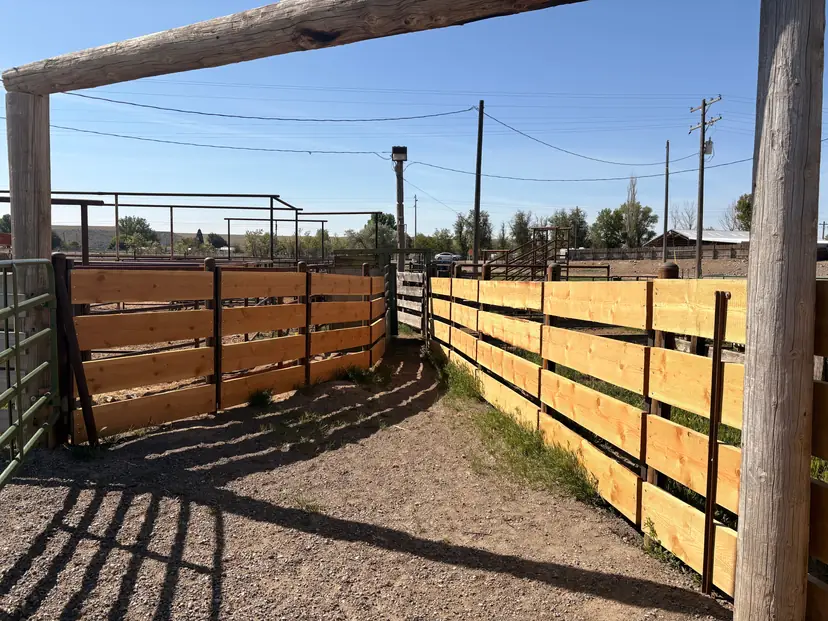
Before a mobile welder arrives, have three things ready: clear photos of the damage, the exact location with room for the truck to get close, and a work area cleared of anything that can burn. With those, the welder can quote it right, bring the right material and spend the visit welding instead of waiting.
Mobile WeldWorks is a mobile welding company based in Mountain Home, Idaho, that comes to farms, ranches, job sites and shops across southern Idaho.
What should I tell the welder when I call?
Tell the welder what broke, what it's made of, how it broke and how soon you need it. The more they know before driving out, the fewer surprises on site.
- What broke. A cracked loader bucket, a broken trailer tongue, a snapped gate hinge or a bent stock rack.
- What it's made of, if you know. Steel, aluminum and cast iron are each welded differently.
- How it broke. A crack that grew over weeks is a different job from a part that snapped under load.
- How soon you need it. Is the machine down in the middle of harvest or a job, or can it wait a few days?
What photos should I send?
Send three photos: one of the whole piece, one up close on the break, and one with a tape measure in the shot. Photos let the welder see the size of the job before the trip.
- One from a few steps back, showing the whole machine or part.
- One up close on the crack or break.
- One with a tape measure or something common next to it for scale.
Clear photos often mean a faster, more accurate quote and the right material on the truck the first time.
Where will the welder park and work?
The truck needs to get close to the repair, so clear a path and share the exact spot. A mobile welder brings the shop to you, and the welding leads only reach so far.
- Share the address or a GPS pin, especially on farms and ranches where the job is out past the house.
- Unlock gates and move vehicles and loose material out of the way.
- Move the equipment to firm, level ground if you can do it safely.
- If the area is muddy or snowed in, say so when you call.
How do I make the work area safe?
Clear away anything that can burn and keep people and animals back. Welding throws sparks and heat, and a few minutes of prep protects your place.
- Clear hay, straw, dry grass, rags and anything else that burns from around the repair.
- Move fuel cans, and point out any fuel tanks, hydraulic lines or batteries near the repair.
- Scrape off heavy grease, mud and manure around the break.
- Keep kids, pets and livestock away from the work area.
- Shut the equipment off and make sure it can't move.
What does the welder check on site?
The welder checks the metal, how thick it is, how far the crack runs and whether the part carries weight. Those four things decide how the repair is done.
- The metal. Steel, aluminum and cast iron each need their own process and filler.
- The thickness. Thin sheet and heavy plate are welded very differently.
- How far the crack runs. The welder finds the ends of the crack so it doesn't keep spreading after the repair.
- The load. A part that pulls, lifts or holds weight may need a plate added for strength.
Sometimes the right answer is a new part instead of a weld. Mobile WeldWorks also builds parts to order through its custom metal fabrication work.
When to call a welder instead of fixing it yourself
You can safely look the damage over, take photos and stop using the equipment. Call a welder when the crack is on anything that carries a load or keeps growing.
What you can check yourself:
- Look for cracks, broken welds and bent metal, and take photos.
- Mark the ends of a crack with a paint pen so you can see if it grows.
- Park the equipment until it's fixed.
Signs it needs a pro:
- The crack is on a trailer hitch or tongue, loader arms, a lifting point, stairs or a catwalk.
- The crack got longer since you first saw it.
- An old weld broke again.
- The frame is bent or twisted.
- The break is near a fuel tank or hydraulic lines.
Don't keep using a cracked part that carries weight. When in doubt, send photos with a free quote request and ask.
Should I clean or take apart the equipment first?
Ask the welder when you call. Sometimes a part is easier to reach with a cover, guard or attachment off. Don't take apart anything you aren't comfortable putting back together. The welder can tell you what helps and what to leave alone.
What happens after the repair?
Let the weld cool before you put the equipment back to work, and ask the welder how long to wait. For a part that carries a load, like a hitch or a lifting point, ask what to watch for the first few times you use it.
From our work
Quick checklist
- Photos sent: the whole piece, up close, and with a tape measure
- Address or GPS pin shared
- Path cleared for the truck, gates unlocked
- Work area cleared of anything that burns
- Fuel, hydraulic lines and batteries pointed out
- Equipment shut off and secured
- Kids, pets and livestock kept away
Need a welder out to your place?
Frequently asked questions
Do I need to bring my equipment to a shop?
No. Mobile WeldWorks comes to you, whether that's a farm, ranch, job site or shop in southern Idaho. See our mobile welding services.
What helps get an accurate quote?
Clear photos and a short description. Say what broke, what it's made of, how it broke and how soon you need it, and send one photo with a tape measure for scale.
Can a mobile welder fix farm equipment and trailers where they sit?
Yes. Mobile WeldWorks repairs farm equipment, trailers and heavy equipment right where they are.
What if the repair can't wait?
Call and say it's urgent. Read more about emergency mobile welding.
Mobile WeldWorks is based in Mountain Home and works across southern Idaho, including Mountain Home, Boise, Nampa and Twin Falls.